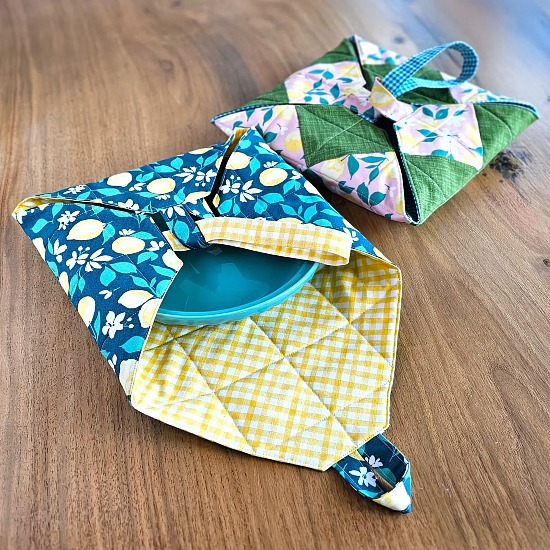
Pie Carrier Sewing Pattern

Creating A Little Housing Block – Tutorial is an exciting and rewarding quilting project that allows you to craft charming, miniature house blocks. These blocks can be used to create beautiful quilts, wall hangings, or other decorative pieces.
Whether you are a beginner or an experienced quilter, this tutorial will guide you through the process step by step. The A Little Housing Block – Tutorial will cover materials, cutting techniques, assembly, and creative variations to inspire your quilting journey.
Quilting is an art form that combines precision, creativity, and patience. The A Little Housing Block – Tutorial introduces a classic design that is both fun and versatile.
This project is perfect for using up fabric scraps, experimenting with color combinations, and enhancing your quilting skills. As you follow along, you will gain confidence in cutting, piecing, and sewing small fabric sections with accuracy.
By the end of this tutorial, you will have a beautifully crafted housing block that can be incorporated into larger quilt projects or displayed as a standalone piece. Let’s get started and explore the steps to creating your own A Little Housing Block – Tutorial masterpiece!
Before you begin, gathering the necessary materials and tools will make the process smooth and enjoyable. Having everything on hand will help ensure accuracy and efficiency as you assemble your A Little Housing Block – Tutorial.
Having these materials prepared will set you up for success before diving into the next steps.
Once your materials are ready, the next step in the A Little Housing Block – Tutorial is to cut your fabric into the necessary shapes and sizes.
Proper cutting and preparation will make the assembly process much easier and more precise.
With all pieces cut, it’s time to bring your A Little Housing Block – Tutorial to life by assembling and sewing the components together.
By following these steps, your housing block will start taking shape beautifully.
Now that you’ve mastered the A Little Housing Block – Tutorial, consider these creative variations to make your project even more unique.
These creative ideas will help you expand your quilting skills and add a personal touch to your projects.
Q: What size should my fabric pieces be?
A: The size of your fabric pieces depends on your desired block size. Typically, a 6×6-inch or 8×8-inch block works well.
Q: Can I hand-sew the housing block instead of using a sewing machine?
A: Yes! Hand-sewing is a great option, though it takes longer. Use small, precise stitches for a neat finish.
Q: What is the best fabric type for quilting?
A: 100% cotton fabric is ideal for quilting because it is easy to sew and durable.
Q: How can I make my seams more precise?
A: Use a 1/4-inch seam allowance, press seams with an iron, and align pieces carefully before stitching.
Q: Can I enlarge the housing block for a larger quilt?
A: Absolutely! Simply scale up your fabric measurements while keeping proportions consistent.
Q: How do I prevent fabric from fraying?
A: Use pinking shears, fabric glue, or overlock stitches to prevent fraying over time.
In this A Little Housing Block – Tutorial, we’ve covered the essential steps to creating a charming quilt block featuring a house design. From selecting materials and cutting fabric to assembling and customizing your piece, this guide provides all the details needed to craft your own quilt block.
Quilting is a creative and enjoyable skill, and this project is a fantastic way to practice precision and experiment with fabric combinations. Whether you’re making a full quilt, a decorative wall hanging, or a special gift, the possibilities are endless.
We’d love to hear your thoughts! Leave a comment below sharing your experience with this tutorial, and let us know if you have any tips or suggestions. Happy quilting!