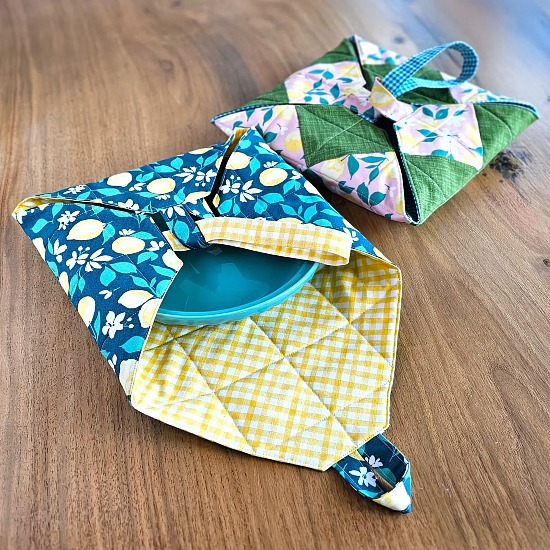
Pie Carrier Sewing Pattern

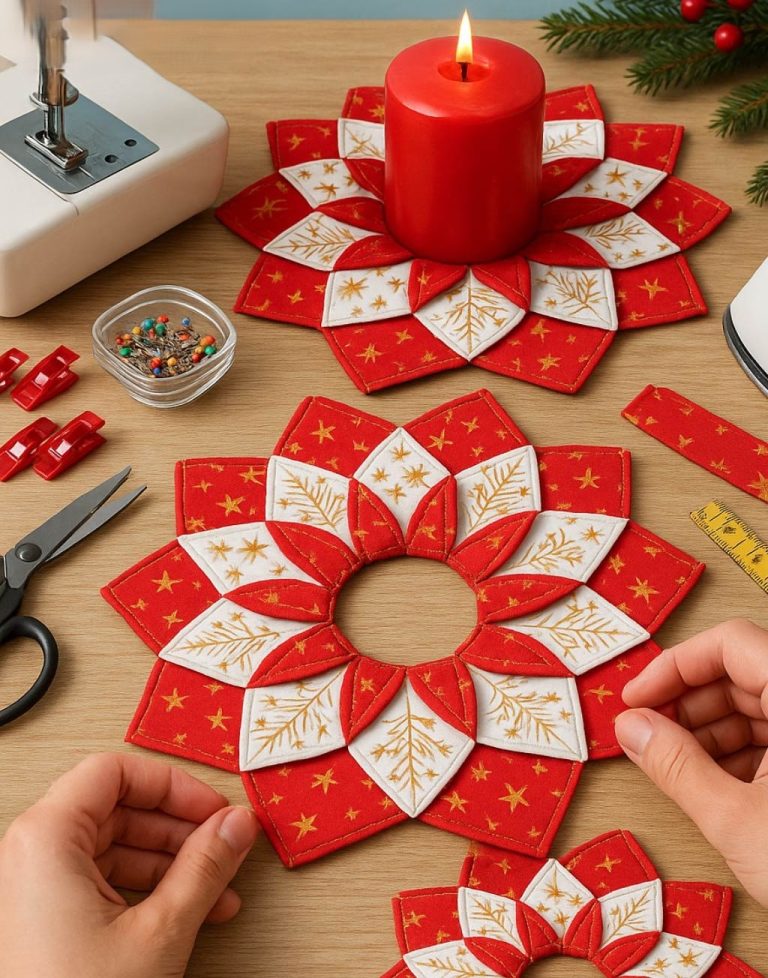
The Dresden Plate quilt block is a timeless and versatile design cherished by quilters of all skill levels. With its circular fan-like structure, the Dresden Plate is not only visually stunning but also offers endless customization possibilities.
Whether you’re a seasoned quilter or a beginner looking for a rewarding project, this tutorial will guide you step-by-step through the process of creating this classic quilt block.
This tutorial focuses on the basics of crafting a Dresden Plate, including selecting the perfect fabrics, cutting precise shapes, and assembling the pieces to form a beautiful and cohesive design.

Image from google.
Along the way, you’ll also learn tips and tricks for achieving professional results. Let’s dive in and start crafting your masterpiece!
Before you begin, gather your quilting essentials: a rotary cutter, quilting ruler, template for the Dresden Plate petals, fabric in a variety of patterns or colors, and a sewing machine. A well-prepared workspace will make the process smooth and enjoyable.
The first step in creating a Dresden Plate quilt block is selecting the fabrics and preparing your templates. These choices will set the tone for your project and determine its visual appeal.
By spending time on thoughtful preparation, you’ll set yourself up for success as you move on to assembling your block.
Sewing the petals together is a crucial step in forming the circular pattern that defines the Dresden Plate quilt block.
With the petals sewn together, you’ll have a complete Dresden Plate block ready for appliqué or further embellishment.
Attaching the Dresden Plate to a background fabric transforms it from a loose block into a polished quilt design.
Your Dresden Plate quilt block is now complete and ready to be incorporated into a larger quilt or displayed on its own.
Personalizing your Dresden Plate quilt block can elevate it from beautiful to extraordinary. Here are some ideas to inspire you.
Adding your personal touch ensures that your quilt is a one-of-a-kind creation that reflects your creativity and style.
Q: What size should the Dresden Plate petals be? A: Petal size depends on your template and the desired size of the quilt block. Templates typically range from 5 to 10 inches in length.
Q: Can I make a Dresden Plate without a template? A: Yes! You can create your own template by drawing a fan shape on cardboard or paper and adjusting it to your preferred dimensions.
Q: What fabrics work best for a Dresden Plate? A: A mix of cotton fabrics in complementary colors and patterns is ideal. Cotton is easy to work with and holds its shape well.
Q: How do I ensure my petals are evenly sewn together? A: Use pins or clips to secure the edges before sewing and take your time aligning them precisely.
Q: Can I make a Dresden Plate quilt block by hand? A: Absolutely! Hand-stitching is a traditional method for making Dresden Plates and can be a relaxing and rewarding process.
Q: How do I quilt around the Dresden Plate? A: You can outline the petals and center circle with decorative stitching or quilt in the background fabric for added texture.
Join our VIP broadcast list and gain access to exclusive patterns, all for free. As a VIP member, you’ll receive the best patterns daily, delivered directly to your device. ✨📱 It’s a unique opportunity to stay up-to-date with the latest trends and designs, curated just for you. Don’t miss out on enhancing your projects and discovering new inspirations with the best patterns every day! 🎨🔝
The Dresden Plate quilt block is a delightful project that combines tradition with creativity.
By following this tutorial, you’ve learned how to select fabrics, sew petals, and appliqué the design to a background fabric.
With added embellishments and personal touches, your Dresden Plate quilt can become a cherished heirloom or a striking centerpiece.
We hope this tutorial has inspired you to try your hand at this classic quilt block. Please share your thoughts, suggestions, or photos of your finished project in the comments below. Happy quilting!