The Trinity Celtic Knot pattern or workshop is a fascinating way to explore the rich heritage of Celtic art through intricate knot designs.
This pattern symbolizes unity, eternity, and interconnectedness, making it a popular choice for quilting, embroidery, crochet, and other creative projects.
Whether you’re a beginner or an experienced crafter, learning to create this timeless design can be a rewarding experience.
In this guide, we will walk you through the basics of the Trinity Celtic Knot pattern or workshop, including the materials you’ll need, step-by-step instructions, creative applications, and expert tips.
By the end of this article, you’ll have a clear understanding of how to create a beautiful and meaningful Celtic knot design.
1. Materials and Tools Needed
Before diving into the Trinity Celtic Knot pattern or workshop, gather the necessary materials to make your project successful.
- Fabric or Yarn: Depending on your craft, select high-quality fabric for quilting or a durable yarn for crochet or embroidery.
- Needles and Hooks: Use appropriate tools like sewing needles, crochet hooks, or embroidery needles.
- Marking Tools: Fabric pens or chalk help outline the knot before stitching.
- Ruler and Templates: Essential for precise measurements and symmetry in the knot design.
- Iron and Pins: If working with fabric, these help maintain the structure of the knot.
- Color Selection: Choose contrasting colors to highlight the intricate details of the Celtic knot.
2. Step-by-Step Instructions for the Trinity Celtic Knot Pattern
Now that you have the necessary materials, follow these steps to create your Trinity Celtic Knot pattern successfully.
- Step 1: Sketch the Knot Design: Begin by drawing the Trinity Celtic Knot on fabric or using a template to trace the pattern accurately.
- Step 2: Prepare Your Materials: Cut your fabric, thread your needles, or set up your yarn before starting.
- Step 3: Start with the Base Layer: If quilting, stitch along the lines carefully. For crochet, use chain stitches to form the base.
- Step 4: Weave the Overlapping Sections: Celtic knots have a distinctive interwoven style, so carefully guide your stitches for a seamless effect.
- Step 5: Secure the Edges: Finish off by tying off threads, securing yarn ends, or adding a final border stitch.
- Step 6: Block and Finish: For fabric projects, iron the final piece. For crochet or embroidery, gently stretch and block to maintain the shape.
3. Creative Applications of the Trinity Celtic Knot Pattern
The Trinity Celtic Knot pattern can be used in various crafts and projects, adding a unique and artistic touch to your creations.
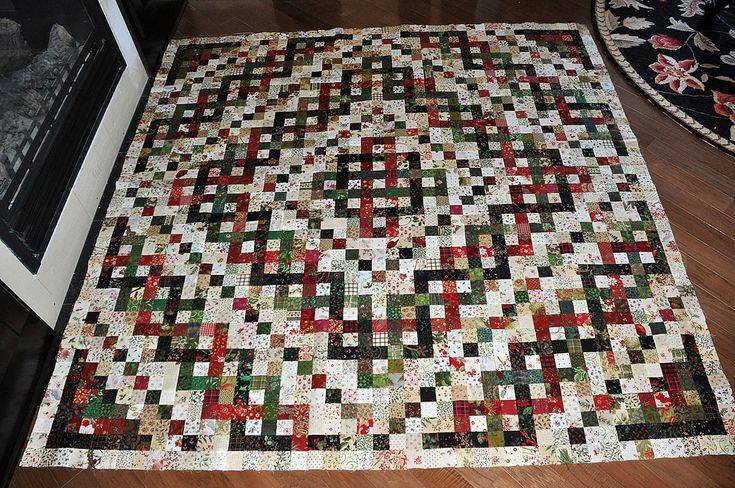
- Quilting: Incorporate the Trinity knot into quilt blocks for a stunning Celtic-inspired design.
- Embroidery and Cross-Stitch: Add intricate Celtic knotwork to clothing, accessories, or wall art.
- Crochet and Knitting: Create blankets, scarves, or pillow covers with raised Celtic knot designs.
- Jewelry Making: Use wire wrapping or beading techniques to form Trinity knot pendants and bracelets.
- Paper Crafts and Calligraphy: Enhance greeting cards, scrapbooks, or lettering projects with Celtic motifs.
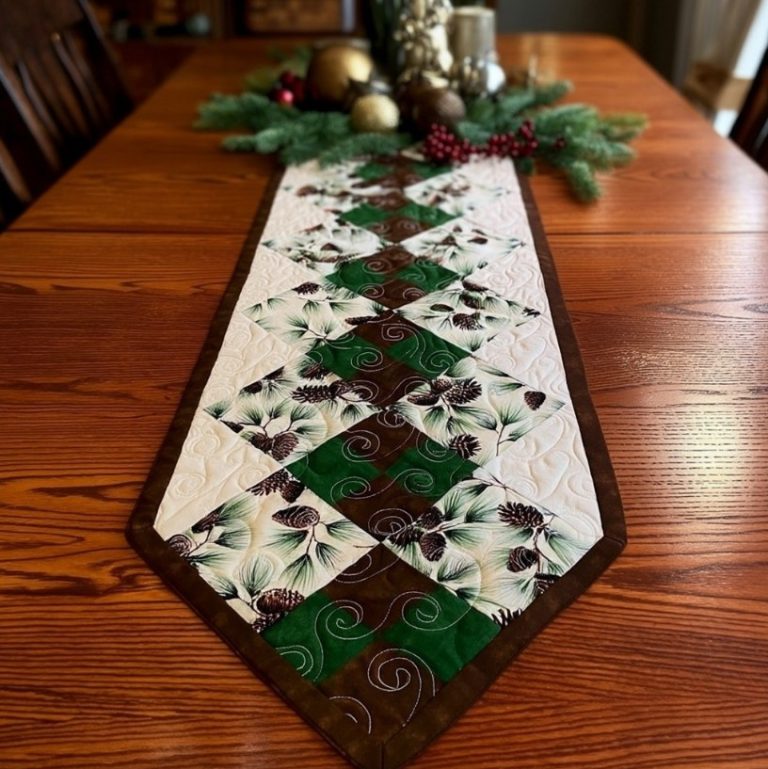
- Home Décor: Design table runners, cushion covers, or framed wall art featuring this timeless pattern.
4. Expert Tips for Mastering the Trinity Celtic Knot Pattern
To perfect your Trinity Celtic Knot pattern or workshop, consider these expert tips to refine your craft.
- Use a Template for Accuracy: Having a pre-drawn template helps maintain symmetrical knots.
- Practice with Simple Designs First: Start with a basic Trinity knot before moving on to more complex Celtic patterns.
- Keep Tension Even: Whether sewing, crocheting, or embroidering, maintaining consistent tension prevents distortion.
- Experiment with Different Colors: Using contrasting colors enhances the visibility of the knot details.
- Take Your Time with Weaving: The overlapping sections are crucial in Celtic knots, so patience ensures a seamless effect.
- Finish with a Strong Border: A solid border helps define the pattern and gives it a polished look.
FAQ: Common Questions About the Trinity Celtic Knot Pattern
Q: Is the Trinity Celtic Knot pattern difficult for beginners?
A: It depends on the technique used, but starting with a simple version helps beginners get comfortable with the design.
Q: What is the significance of the Trinity Celtic Knot?
A: It represents unity, eternity, and the interconnectedness of life, often associated with Celtic traditions and spiritual meanings.
Q: Can I use this pattern for quilting?
A: Yes! The Trinity Celtic Knot is a beautiful addition to quilt blocks and borders.
Q: What is the best fabric for making a Celtic knot embroidery?
A: Linen, cotton, or even wool work well for embroidery projects featuring the Trinity knot.
Q: How do I ensure symmetry in my Celtic knot?
A: Using a template and marking your fabric before stitching helps maintain symmetry.
Q: Can I crochet a Trinity Celtic Knot?
A: Yes, by using chain stitches and overlay techniques, you can crochet a raised Celtic knot pattern.
Join our VIP broadcast list and gain access to exclusive patterns, all for free. As a VIP member, you’ll receive the best patterns daily, delivered directly to your device. ✨📱 It’s a unique opportunity to stay up-to-date with the latest trends and designs, curated just for you. Don’t miss out on enhancing your projects and discovering new inspirations with the best patterns every day! 🎨🔝
Conclusion
The Trinity Celtic Knot pattern or workshop is a beautiful and meaningful design that can be incorporated into various crafting techniques. Whether you’re quilting, embroidering, crocheting, or making jewelry, this pattern adds a timeless and elegant touch to any project.
We’d love to hear your thoughts on this pattern! Have you tried making a Trinity Celtic Knot before? Share your experience, tips, or questions in the comments below. Happy crafting!